The short answer
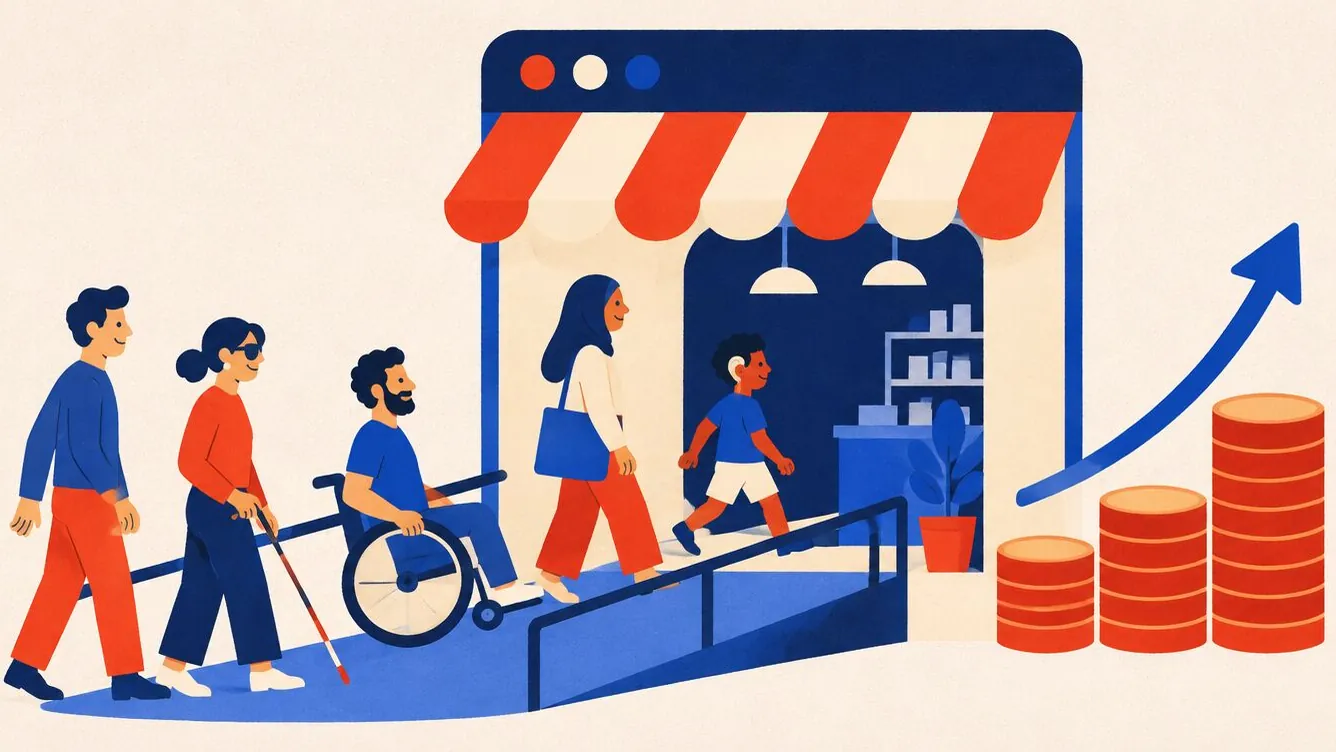
An accessible website reaches more customers (27% of Canadians aged 15 and over, and more than 1 in 4 US adults, have a disability), works better for everyone, supports SEO and AI search, lowers legal risk and shows your values. Most fixes are small and pay off across the whole site.
Key takeaways
- Disability is common: about 1 in 4 adults in Canada and the US.
- Aging customers benefit from the same fixes.
- Accessible sites are easier for everyone to use, on any device.
- Clear structure and text alternatives help search engines and AI tools.
- Fixing issues early is cheaper than reacting to a complaint.
Many businesses come to accessibility because of a legal letter or a client requirement. That is a valid reason. But the stronger reason is simpler: more people can buy from you.
1. A bigger audience than most people think
Statistics Canada’s 2022 Canadian Survey on Disability found that 27% of Canadians aged 15 and over, about 8 million people, have one or more disabilities. In the US, the CDC reports that more than 1 in 4 adults have some type of disability. Add friends and family who shop with or for them, and older customers whose eyesight, hearing or dexterity is changing, and the numbers grow quickly.
2. Better usability for everyone
Captions help people in a noisy café. High contrast helps people outside in bright sun. Clear labels and error messages help everyone fill in a form faster. Big tap targets help anyone on a small phone. Accessibility work is usability work.
3. Search engines and AI read like screen readers
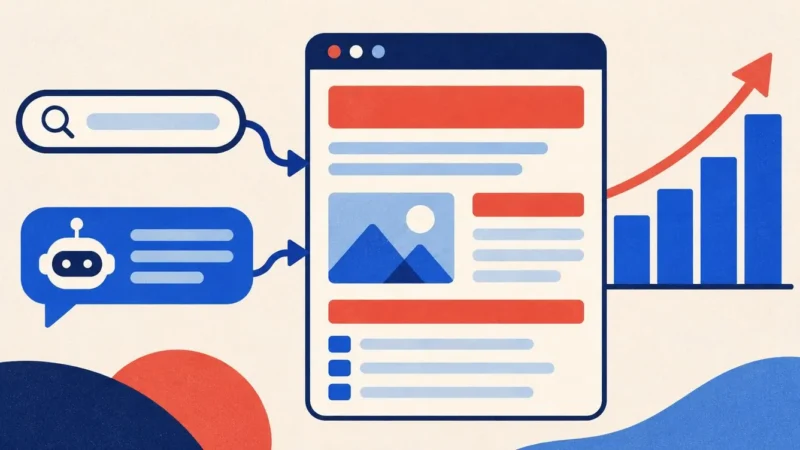
Search engines and AI assistants do not see your design; they read your code. Alt text, clear headings, descriptive links and transcripts make your content easier for them to understand and quote. Read more in how accessibility helps SEO and AI search.
4. Lower legal and contract risk
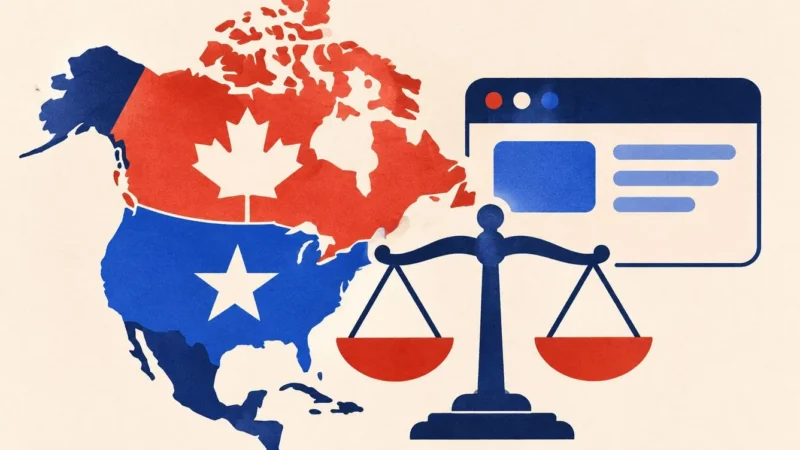
Accessibility laws are growing in Canada, the US and Europe, and many public sector and enterprise buyers now ask suppliers about accessibility. A record of regular scans, fixes and an honest accessibility statement puts you in a much better position. See website accessibility laws in Canada and the US.
5. Trust and brand
People notice when a business makes an effort. A clear accessibility statement and a site that works well with assistive technology tell customers that you care about all of them.
What it costs
For most small and mid-size sites, the biggest wins are a few theme fixes (contrast, focus styles, headings) and content habits (alt text, labels, captions). A monthly tool subscription plus a few hours of work goes a long way. A redesign is the best time to build it in, because fixing accessibility at the start costs far less than fixing it later.
[ADD REAL STAT: your own before and after results, such as form completion rate or bounce rate, once you have them.]
Sources
Last reviewed .
Frequently asked questions
Does accessibility hurt design?
No. Accessible sites can be beautiful. Good accessibility mostly means clear contrast, readable text, sensible structure and controls that work for everyone.
Where should a small business start?
Run a free scan, fix contrast and missing alt text and labels on your most important pages, check your site with a keyboard, and publish an accessibility statement with a contact.
This guide is general information, not legal advice. For your specific obligations, check with a lawyer or your regulator.